Modern researchers are faced not only with the need to conduct high-quality research, but also to disseminate it through publications. One of the most effective platforms for this is the Scopus scientometrics database, which indexes the most prestigious scientific journals. What are the functions of this platform? Why are articles published in Scopus journals highly valued by the scientific community? We will have a closer look at this in our article.
What is Scopus?
Scopus is one of the largest and most authoritative scientometrics databases of scientific publications and citations, founded by Elsevier. Scopus covers a wide range of scientific disciplines.
This database provides students, researchers, and academic institutions with access to reliable information in the form of scientific articles, monographs, conference materials, and scientific books. In addition, it helps to track current trends in science and research, as well as to assess the scientific influence of scientists and the value of their work.
Scopus is not limited to collecting metadata from scientific publications. It provides opportunities to analyse the citation and productivity of scientists, making this database important for those who strive to remain in the context of global science.
Key features of Scopus
Scopus is an extremely effective database for searching for journals and research publications. It helps authors successfully promote themselves to the scientific community and build a solid reputation as researchers. Among the main features of Scopus are the following:
- Search for relevant literature. Thanks to a convenient search system and a sufficient number of filters you can search by keywords, authors, journals, publication date, DOI identifier, etc. Scientists can quickly find scientific articles that match their research goals.
- Citation analysis. Scopus provides opportunities to track the citations of a scientist's or their colleagues' works, which is an important criterion for assessing their contribution to the development of science.
- Search for journals for publication. Thanks to scientometrics indicators such as CiteScore, SNIP, etc., you can find a high-quality journal in the database that matches your goals and research topic.
- Track scientific trends. The platform allows you to follow current trends in research and publications, as well as trends in specific fields.
- Collaboration and networking. Profiles of scientists and scientific institutions in Scopus provide opportunities to find partners for joint projects and publications.
What are the advantages of the Scopus database?
Although there are many different databases in scientometrics, Scopus is one of the most prominent. The platform has a number of advantages that allow you to optimise your literature search and increase your credibility as a researcher through publications. Below, we have listed the key advantages of Scopus.
Wide coverage of sources and disciplines
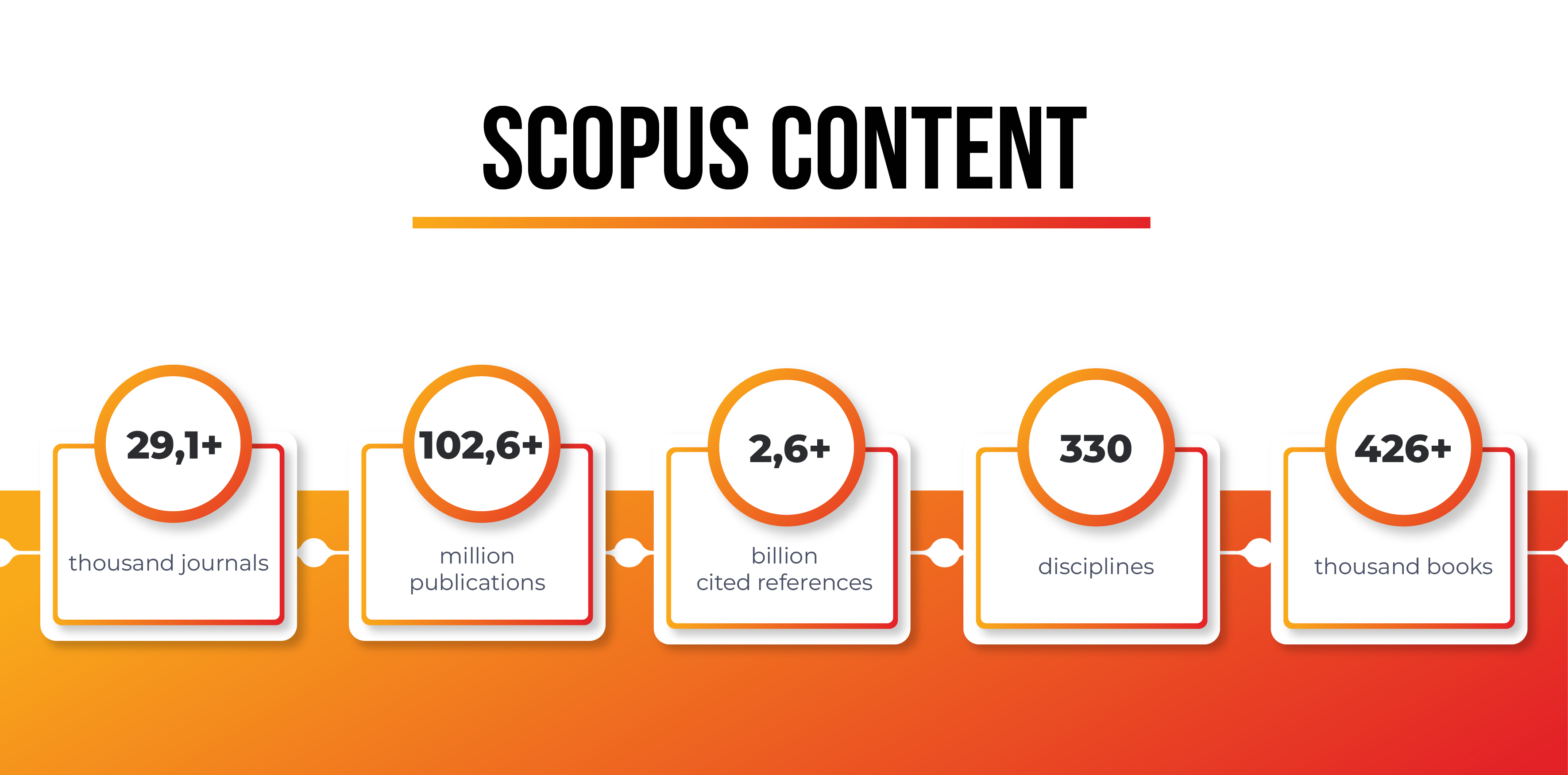
As mentioned above, Scopus indexes more than 29,000 scientific journals and millions of publications (articles, books, conference materials, etc.). This provides access to interdisciplinary research and information beyond a single research area.
Convenient search and filtering
Thanks to its user-friendly interface and wide range of filters, researchers can quickly find the materials they need by keyword, author, DOI, publication date, etc. This optimises the search for sources on the desired topic and saves time when preparing research.
Author and institution profiles
Scopus contains more than 90,000 institution profiles and more than 20 million author profiles. This allows researchers to form professional contacts and find partners for joint research, which may lead to co-authored publications in the future.
Cooperation with other databases
Scopus easily cooperates with other platforms (e.g., ORCID, etc.), which facilitates data exchange and allows for the prompt updating of data on publications and author scientometrics indicators.
How do publications in Scopus affect a scientist's career?
Scientific journals in the Scopus database have strict requirements for submitted materials and a thorough review process. The journals, in turn, also undergo a rigorous process of verification for compliance with the database requirements, in particular for the regularity and timeliness of issues, the composition of the editorial board, the quality of articles and their relevance to the stated subject of the publication, etc. Publication in such journals will demonstrate the author's high level of competence and ability to conduct high-quality scientific research. Thanks to publications in Scopus, scientists can:
- increases the visibility of research: articles indexed in Scopus become available to the international community, which increases the likelihood of them being cited by other scientists
- strengthens academic reputation: publication in the authoritative Scopus journal increases the authority of the researcher and the institution they represent
- influences career development: some universities use Scopus data to evaluate a scientist's research activity when selecting candidates for academic positions, and funding organisations evaluate a researcher's productivity when considering applications for funding
- gains international recognition: since Scopus is a global platform, publication in this database will allow you to make yourself known to the scientific community at the international level
Scopus is not just a database, but a powerful tool for developing your career and disseminating your research. It will allow you to make a significant contribution to the development of science and gain recognition in the international scientific community. Thanks to a rigorous review process and thorough verification, such publications have a high level of credibility among the scientific community, and other scientists use them for their research.
Need to publish in Scopus? Contact Scientific Publications! For over 9 years, our specialists have been helping scientists from around the world achieve their scientific goals. Our specialists will review your article and select a scientific journal that meets your requirements. We will also accompany you at every stage of the process until your article is indexed. Still have questions? Fill out the form below, and our manager will contact you shortly. Together we will achieve successful publication!